Estimating Stockpile Volumes From Satellite Imagery: Methods, Accuracy, and Best Practices
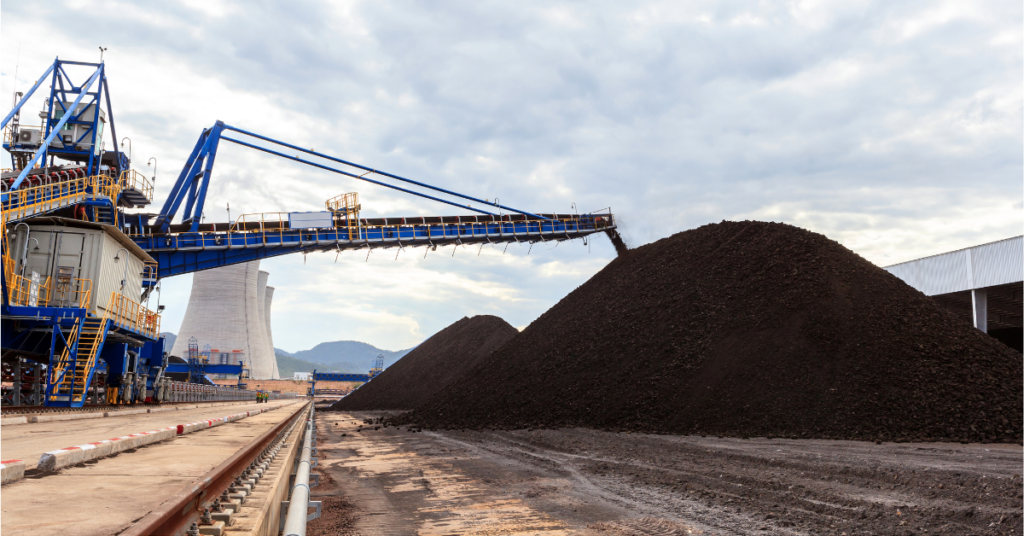
How stockpile volume estimation with satellite imagery works — stereo, shape-from-shading, and angle-of-repose methods for mines and ports. Source via SkyWatch.
Enhancing Asset Monitoring in Oil and Gas with Satellite Technology

Enhancing Asset Monitoring in Oil and Gas with Satellite Technology The oil and gas industry relies on vast infrastructure networks, from offshore drilling platforms to pipelines stretching across continents. Ensuring the integrity, safety, and efficiency of assets is paramount to avoiding costly failures, environmental damage, and operational downtime. Traditional monitoring methods, such as manual inspections […]
Drones vs Satellites: What’s Better for Project Site Monitoring?

In the Architecture, Engineering, and Construction (AEC) industry, project site monitoring is critical for maintaining timelines, managing resources, and ensuring regulatory compliance. Remote sensing technologies—particularly drones and satellites—have revolutionized how firms collect and analyze data at various project stages. While drones provide high-resolution, on-demand imagery with exceptional detail, satellite imagery offers broader coverage, consistent historical […]
Remote Sensing for Oil Pipeline Monitoring: What You Need to Know

Oil pipelines are vital conduits for the global energy supply, carrying crude oil and refined products across vast distances. Keeping them intact is a complex challenge: leaks, structural wear, and external threats all pose serious risks. Traditional approaches — on-the-ground inspections and aerial surveys — struggle to deliver real-time insight across sprawling networks. Remote sensing, […]
Solar Farm Site Selection Made Easy with Satellite Intelligence

As the world pushes toward renewable energy, solar farms have become essential to the transition to sustainable power. But choosing the right location for one is no simple task. Traditional methods rely on extensive field surveys, which are costly and time-consuming. Thanks to advances in satellite imagery and geospatial technology, developers now have powerful tools […]
The New Standard in Solar Farm Monitoring: Faster, Safer, Smarter

As solar energy becomes a vital renewable resource, efficient monitoring of solar farms is crucial for maximizing output and sustainability. Traditional methods are challenged by high costs and limitations. Satellite technology enhances monitoring through real-time data analytics, improving efficiency, detecting issues early, and ensuring compliance with environmental standards, driving future innovations in solar management.
Cut Costs and Boost Efficiency in Renewable Energy Site Planning

As the world accelerates its transition to renewable energy, the need for strategic site selection and planning has never been greater. Solar farms, wind farms, and hydroelectric projects require careful consideration of environmental, geographical, and infrastructural factors to maximize efficiency and minimize impact. Traditionally, renewable energy site planning relied on field surveys and ground-based assessments—methods […]
Wind Farm Mapping Tools That Deliver Results

As the world races toward decarbonization, wind energy has become a key pillar of the shift to clean power. Governments are setting aggressive renewable targets, utilities want dependable supply, and wind farms are appearing across coastlines, plains, and mountain ridges. But siting a successful wind project takes more than measuring wind speed. It requires an […]
New Era of Oil Field Site Monitoring: Secure, Scalable, Smart

The oil and gas industry operates in some of the most challenging and remote environments on the planet. Ensuring efficiency, safety, and compliance in these locations requires constant monitoring. Traditionally, oil field site monitoring relied on on-ground inspections, aerial surveillance, and sensor-based systems. However, satellite imagery offers timely insights and large-scale coverage with unprecedented accuracy. […]
The Need for Environmental Impact Assessments of Oil Fields

Environmental impact assessments of oil fields are standard practice, given the risks involved in oil exploration and production. From land degradation to water contamination, the ecological footprint of an oil field can be substantial. As companies work to balance resource extraction with environmental responsibility, they need advanced monitoring to track and reduce these impacts. Traditional […]