

The Consumerization of Geospatial Data

The consumerization of technology has reshaped the landscape of industries over the past few decades. From the early days when corporate IT departments maintained tight control over technology, we’ve moved to an era where employees use personal devices and cloud services to get work done. This trend, known as the consumerization of IT, has both […]

Advantages and Disadvantages of Remote Sensing

Remote sensing, a powerful technology that allows us to gather information about the Earth’s surface or other objects from a distance, has revolutionized various fields, from environmental monitoring to urban planning. While it offers numerous advantages, it is crucial to acknowledge there are disadvantages of remote sensing that can feel like drawbacks. In this article, we will delve into the advantages and disadvantages of remote sensing and explore the factors that can impact its effectiveness.

Explaining the Six Components of a Remote Sensing System

A remote sensing system has six components to gather valuable data. In an era of technological advancements, remote sensing technologies have emerged as invaluable tools for understanding and monitoring the Earth’s surface. These innovative technologies enable us to gather data by sensing the energy emitted, or reflected, by a geographical area. Whether for scientific research, […]

Canada’s Contribution to Space: A Look at Canadian Satellites

Many countries contribute to space with satellites, but how many Canadian satellites exist? Canada has a long history of satellite technology and space research, including the development of the Canadarm, a remote-controlled robotic arm which deployed, captured and repaired satellites, positioned astronauts, maintained equipment, and moved cargo. The Canadian Space Agency (CSA) has played a […]

Task Satellites to Capture Amazing Photos From Space With SkyWatch

Taking photos from orbiting satellites, also known as “tasking,” is a practice among many Earth Observation [EO] data providers. After seeing some comments on Twitter, we wanted to outline the value of tasking satellites and how SkyWatch’s platform EarthCache can help you take amazing photos on Earth from space. In this article, we’ll define tasking, […]

Making Earth Observation Data Easy To Distribute And Access

At SkyWatch, we believe that Earth Observation should be simple for everyone. If you’re a satellite operator, you have unique needs to serve a market of high-value customers. TerraStream is a platform you can leverage to manage, process and deliver your data to a wider market. In addition, we have an aggregation platform called EarthCache […]

How Satellite Operators Save $60-100m To Monetize Their Data

So why should you care about TerraStream? Many satellite companies that we talk to, especially the seed-funded early-stage ones, are very entrepreneurial, very smart engineers. They believe they can build anything, and they probably can. The question is, what should they build? When you’re building a platform for a satellite constellation, there are many things […]

How Do You Get Data From Satellites To Earth?

When launching, most companies don’t build their own ground stations. Instead, they look for partners who already have large networks of ground stations. These can be located anywhere in the world, but there are some advantages to having them in certain locations. For example, if your satellites are in sun-synchronous orbit, then having the ground […]

Earth Observation Data: Understanding Resolutions

The Two Resolutions To Focus On Satellite imagery can be very intimidating because there’s a wide range of resolutions. And as a new person in the industry, you might be completely overwhelmed. At a high level there are two resolutions we think of in the satellite imagery ecosystem. We think of Spatial Resolution which is […]

TerraStream Includes All The Partners You Need

The Problems Facing Earth Observation Businesses We’ve had a chance to speak to a lot of companies in the Earth Observation business. There is number of challenges that they have when they’re launching satellites. At SkyWatch we’ve built a product that solves the problems of: But there are also other problems that satellite operators have. […]

What Data Do You Need
Your First Question When Accessing Satellite Imagery “What data do you need?” is probably the first question you’ll have when logging onto the EarthCache platform. The first thing to look at is resolution. We offer a varying spectrum of resolutions on the EarthCache platform all the way from low to high resolution. Low resolution is […]

Why GIS Specialists Are Shifting From Mapping to Monitoring
The shift from mapping to monitoring comes down to the frequency of tasking satellite imagery. Gathering Earth Observation data is a tactic used across industries to help solve some of the world’s biggest problems. From predicting crop yields in agriculture to monitoring oil pipelines, the use cases for satellite imagery are limitless.  Mapping is certainly […]

How to Choose the Right Satellite Imagery Provider
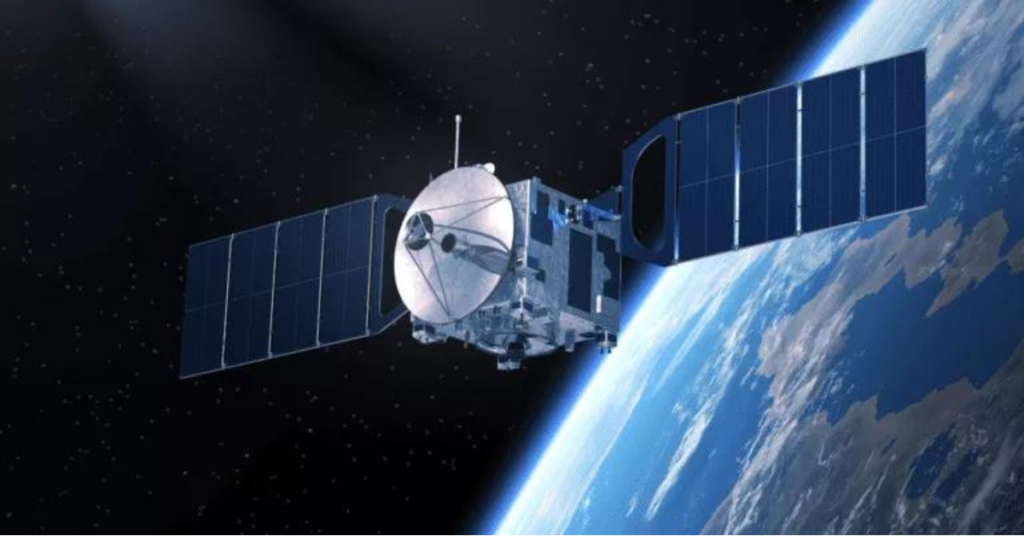
Choosing the right satellite imagery provider for your project can feel overwhelming, but it comes down to your goals and accessing the right features. When seeking a satellite imagery provider, ask yourself critical questions about what type of data you’re looking for. Do you need high-resolution images? Are you looking to collect data in an […]

Types of Earth Observation Data

For over 60 years humans have been putting cameras and sensors into space to look back at our planet. Satellites capture data across the electromagnetic spectrum — from visible wavelengths all the way to radio wavelengths. This is called Earth Observation (EO) data. There are many types of Earth Observation data that have many valuable applications across agriculture, environmental, oil, insurance, and financial services industries.

The Ultimate Satellite Imagery Guide
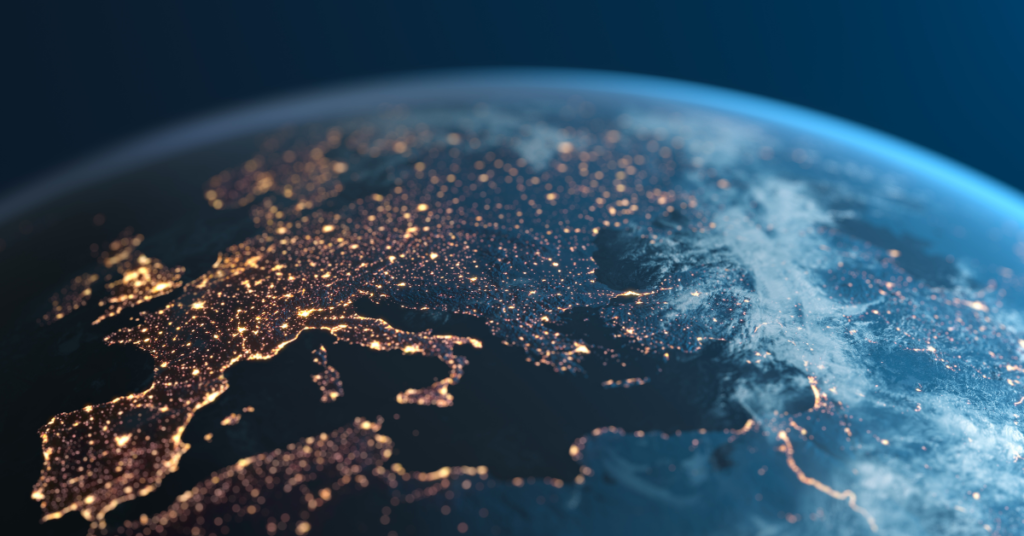
What data do you need? Deciding that satellite imagery is the right solution for your organization is a great first step to getting insightful data at your fingertips. But if you’re new to these solutions, there are some basics you need to know. We at SkyWatch understand the difficulty of navigating the world of Earth […]

How SkyWatch Handled The First Few Months Of The Pandemic

SkyWatch is an awesome employer in the Waterloo Region who cares about our people’s health and safety, our product, and making sure we are a great place to work at.  Read our Business Continuity Plan. We wanted To Ensure Our Employees And Partners Were Safe No more in-person stuff: Everybody works from home.  No more events in […]

SkyWatch: A Platform for All of Earth Observation
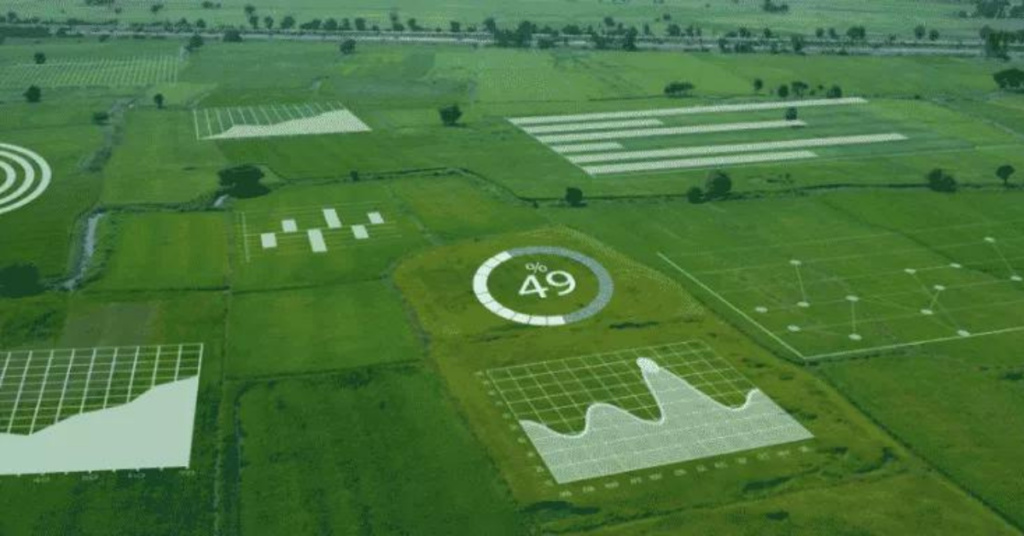
Earth Observation (“EO”) is the gathering of information about the physical, chemical, and biological systems of the planet Earth through sensors. In the space industry, we’re investing billions of dollars into launching EO sensors into orbit  to better understand our dynamic planet through the ever-insightful electromagnetic spectrum. Our mission at SkyWatch is to enable anybody […]

Top 10 Free Sources of Satellite Data
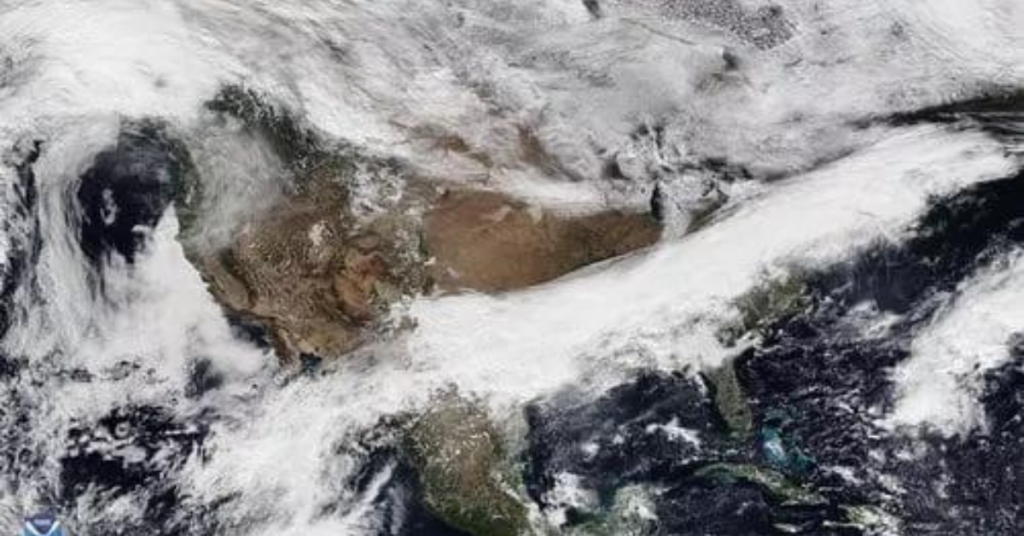
There are many sources of satellite data you can use depending on your needs. Some platforms will let you view the data in your browser, some offer download options so you can process it and extract meaningful insights. Some focus on open (free) satellite imagery, some focus on the highest resolution satellite imagery available for […]


What does real-time satellite data really look like?

Real-time satellite data is a trendy concept and a question that our customers sometimes ask. But real-time satellite data is not what you think it is. As with most high-quality feeds, limitations on data refresh come from transfer speeds and processing speeds. In best-case scenarios, it could take only a few minutes between data capture […]

AI in Space

AI in space is not just for government officials or the military; it’s available to anyone looking to access it. At SkyWatch, we believe in simplicity. We’ve taken a very challenging data engineering problem – obtaining, processing, and standardizing satellite data – and built a platform that abstracts the massive amount of complexity required to […]

Understanding data transfers

Let’s break down data transfers. Satellite data collection is extensive, with some of the latest high-resolution optical and radar readings gathering gigabits of information each second. The issue lies in sending this data back to Earth, an act known as a downlink. Unfortunately, current technology has these downlinks occurring on sun-synchronous orbits at limited points […]

Understanding how Satellite Images are created

Understanding how satellite images are created begins with sensors. Satellite sensors, unlike our eyes, capture much more information and relay it back to us in a format quite different from the photographs we are used to. Satellites capture data by assigning a digital value to each pixel based on the reflectance of the corresponding area […]

Understanding Orbits

Sun-synchronous low Earth orbits Understanding orbits is simpler than one might think. In the same way as consumer cameras, the closer you are to the object you want to capture, the more details you can see. Satellites in Low Earth Orbit (LEO) can capture images of high resolution because they are closer to the object […]

What’s the difference between multispectral, hyperspectral, and SAR?

Multispectral and hyperspectral satellites A sensor’s spatial resolution, or how fine the pixels on the ground will be, is inversely related to its spectral resolution or how well it can discriminate between spectral bands. Because of this, satellites that record data along multiple spectral bands (hyperspectral) do not have the same spatial resolution as satellites […]

5 Benefits of Using Satellite Imagery Over Drones

Using satellite imagery over drones

According to Euroconsult, the global market for commercial Earth observation data and services will reach $8 billion by 2029, up from $4.6 billion in 2019. Understanding when to use satellite imagery over drones is key to making an informed decision when collecting this data type. Here are 5 benefits of using satellite imagery over drones […]

Satellite Image Outputs and Their Applications

Colors are just how our eyes interpret light. Light is made of electromagnetic waves. When light shines on an object, some wavelengths are absorbed and others are reflected. The colors we’re able to see are just a small range of reflected wavelengths that can be perceived by our vision. They consist of a tiny visible […]

Why Buying Satellite Imagery Used to Be So Hard

A remote sensing device, such as a satellite, collects and acquires physical, chemical, and biological information about the Earth. This blog aims to explain how satellites can detect invisible radiation to the human eye. Then, GIS professionals can use various techniques to extract insights from the composite image. For example, a satellite image can visually […]

B.C. Students Representing Canada at Global CanSat Comp

A group of Canadian high school students, advised by physics teacher Joe Muise, is from St. Thomas More Collegiate in Burnaby, British Columbia, is poised to represent Canada at the ESA’s CanSat competition this month.